

- Reaction score
- 1,936
A new study shows that one psychedelic experience doesn’t just alter how a person feels; it may also change the brain itself. Researchers at UC San Francisco and Imperial College London found that a single 25 mg dose of psilocybin produces signs of likely anatomical changes in the brain that persist for at least a month after the experience.
Published in Nature Communications, the study was conducted in healthy adults with no prior psychedelic use. These results may help explain why psilocybin-assisted therapy is being explored as a treatment for depression, anxiety, and addiction.
The researchers identified a key mechanism behind these changes. Instead of focusing on a single brain region, they identified brain entropy as a key factor linking the experience to later outcomes.
Brain entropy refers to the diversity of neural activity happening at any given moment. A low-entropy brain tends to fall into predictable, repetitive patterns. A high-entropy brain is processing a richer, more varied stream of information. Within 60 minutes of taking the 25 mg dose, EEG recordings showed a sharp spike in entropy.
This increase in entropy persisted longer than the drug’s immediate effects. People who experienced the biggest jumps in entropy also reported more psychological insight the next day, saying they felt a deeper sense of emotional self-awareness. These insights coincided with improvements in well-being that lasted for at least two to four weeks.
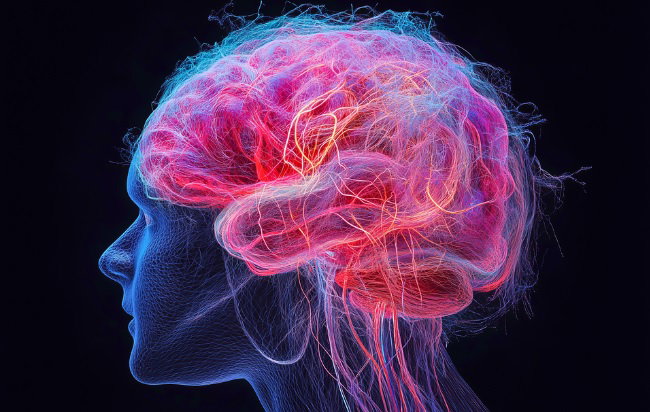
 thedebrief.org
Published in Nature Communications, the study was conducted in healthy adults with no prior psychedelic use. These results may help explain why psilocybin-assisted therapy is being explored as a treatment for depression, anxiety, and addiction.
The researchers identified a key mechanism behind these changes. Instead of focusing on a single brain region, they identified brain entropy as a key factor linking the experience to later outcomes.
Brain entropy refers to the diversity of neural activity happening at any given moment. A low-entropy brain tends to fall into predictable, repetitive patterns. A high-entropy brain is processing a richer, more varied stream of information. Within 60 minutes of taking the 25 mg dose, EEG recordings showed a sharp spike in entropy.
This increase in entropy persisted longer than the drug’s immediate effects. People who experienced the biggest jumps in entropy also reported more psychological insight the next day, saying they felt a deeper sense of emotional self-awareness. These insights coincided with improvements in well-being that lasted for at least two to four weeks.
A Single Dose of Psilocybin May Produce Lasting Brain Changes, Study Finds
A new study shows that one psychedelic experience doesn't just alter how a person feels; it may also change the brain itself.
thedebrief.org


