

- Reaction score
- 1,938
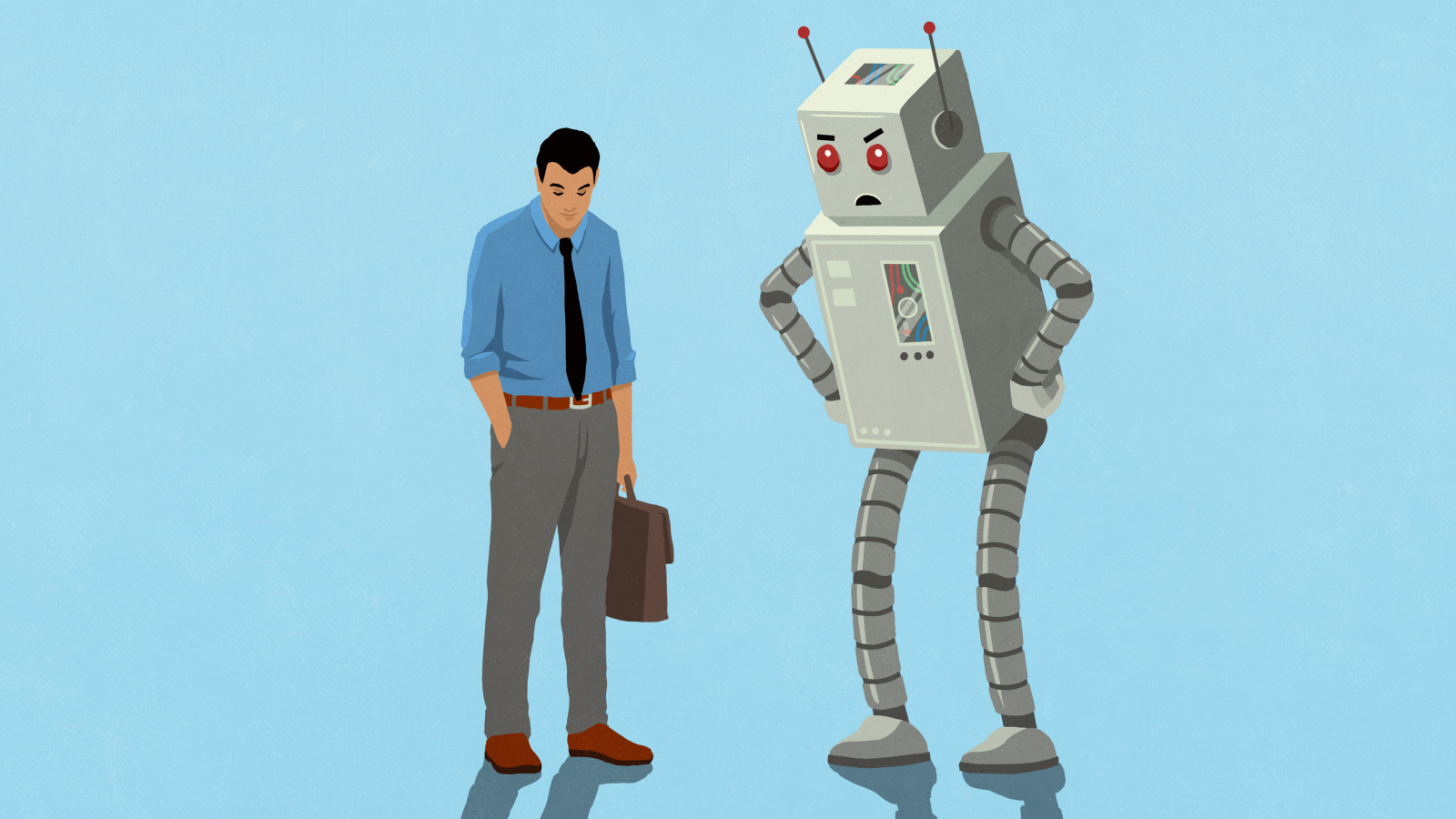
A new project allowed AI chatbots to interrupt, stay silent or speak up the way humans do in conversation, and it made them smarter and more accurate.
When artificial intelligence (AI) is allowed to behave more like a human communicator, it becomes a more effective debate partner that reaches more accurate conclusions, scientists have found.
Human communication is full of stops and starts, impassioned interruptions, unsure silences and ambiguity. AI, on the other hand, adheres to the formal communication style of computers — processing a command, formulating a response, delivering the output, and waiting patiently for the next command.
"Current multi-agent systems often feel artificial because they lack the messy, real-time dynamics of human conversation," co-author of the study Yuichi Sei, Professor, Department of Infomatics at Tokyo's University of Electro-Communications in Japan, said in a statement. "We wanted to see if giving agents the social cues we take for granted, like the ability to interrupt or the choice to stay quiet, would improve their collective intelligence."
Sei and his co-workers proposed a framework where large language models (LLMs) didn't have to adhere to the back-and-forth, wait-your-turn nature of computerized communication. Instead, an LLM could be assigned a personality that let it speak out of turn, cut off other speakers, or remain silent.
 www.livescience.com
When artificial intelligence (AI) is allowed to behave more like a human communicator, it becomes a more effective debate partner that reaches more accurate conclusions, scientists have found.
Human communication is full of stops and starts, impassioned interruptions, unsure silences and ambiguity. AI, on the other hand, adheres to the formal communication style of computers — processing a command, formulating a response, delivering the output, and waiting patiently for the next command.
"Current multi-agent systems often feel artificial because they lack the messy, real-time dynamics of human conversation," co-author of the study Yuichi Sei, Professor, Department of Infomatics at Tokyo's University of Electro-Communications in Japan, said in a statement. "We wanted to see if giving agents the social cues we take for granted, like the ability to interrupt or the choice to stay quiet, would improve their collective intelligence."
Sei and his co-workers proposed a framework where large language models (LLMs) didn't have to adhere to the back-and-forth, wait-your-turn nature of computerized communication. Instead, an LLM could be assigned a personality that let it speak out of turn, cut off other speakers, or remain silent.
Scientists made AI agents ruder — and they performed better at complex reasoning tasks
A new project allowed AI chatbots to interrupt, stay silent or speak up the way humans do in conversation, and it made them smarter and more accurate.


