

- Reaction score
- 1,936
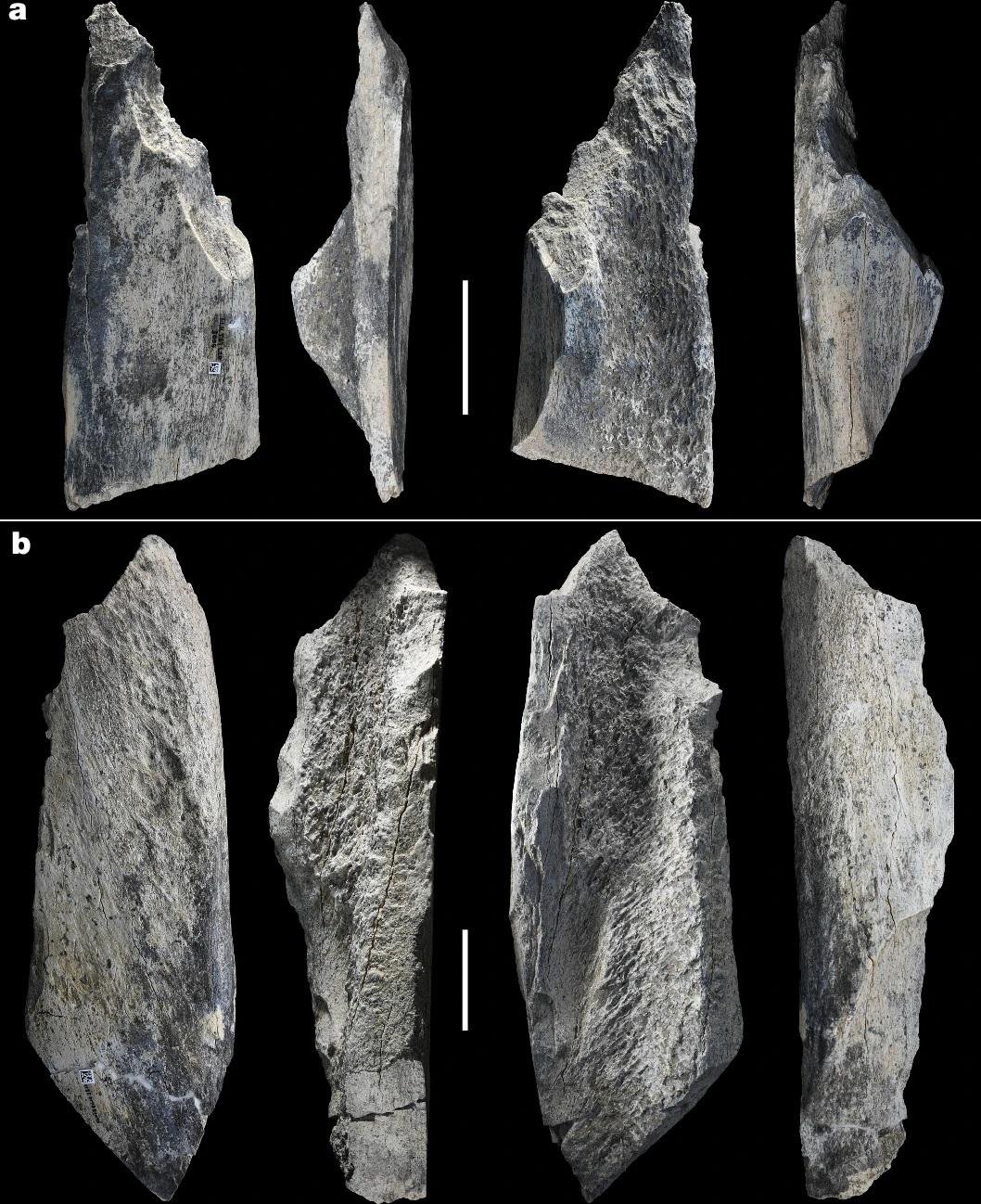
Archaeologists have uncovered a collection of bone tools at Olduvai Gorge in Tanzania, dating back 1.5 million years. This finding has pushed back systematic bone tool production by more than a million years and challenges previous assumptions about the technological capability of early hominins. Crafted from the bones of elephants and hippopotamuses, these tools showcase an advanced level of cognitive ability and craftsmanship, which was thought to have emerged much later in human development.
The lead author, Dr. Ignacio de la Torre from the Spanish National Research Council (CSIC), said these findings indicate that early human ancestors “significantly expanded their technological options” by adding new raw materials to their tool-making repertoire. Twenty-seven bone fragments were analyzed, showing signs of deliberate shaping through a technique known as knapping, which is typically associated with stone tool production.
Discovered at the T69 Complex in the Frida Leakey Korongo West Gully of Olduvai Gorge, the tools were found alongside remains of large mammals. Importantly, these tools were made from limb bones, which are denser than other types of bones and therefore more suitable for crafting durable implements. The elephant bone tools measured between 22 and 38 cm (8.6 and 15 inches) in length, while the hippo bone tools ranged from 18 to 30 cm (7 to 11.8 inches).
Prior to this, the oldest known bone tools were unearthed in Europe and are believed to be 250,000 to 500,000 years old. While evidence of stone tool knapping extends back 3.3 million years, the systematic crafting of bone tools had remained elusive in the archaeological record.
 archaeologymag.com
The lead author, Dr. Ignacio de la Torre from the Spanish National Research Council (CSIC), said these findings indicate that early human ancestors “significantly expanded their technological options” by adding new raw materials to their tool-making repertoire. Twenty-seven bone fragments were analyzed, showing signs of deliberate shaping through a technique known as knapping, which is typically associated with stone tool production.
Discovered at the T69 Complex in the Frida Leakey Korongo West Gully of Olduvai Gorge, the tools were found alongside remains of large mammals. Importantly, these tools were made from limb bones, which are denser than other types of bones and therefore more suitable for crafting durable implements. The elephant bone tools measured between 22 and 38 cm (8.6 and 15 inches) in length, while the hippo bone tools ranged from 18 to 30 cm (7 to 11.8 inches).
Prior to this, the oldest known bone tools were unearthed in Europe and are believed to be 250,000 to 500,000 years old. While evidence of stone tool knapping extends back 3.3 million years, the systematic crafting of bone tools had remained elusive in the archaeological record.
1.5-million-year-old bone tools discovered in Tanzania are the oldest ever, reshaping early hominin technology
Archaeologists have uncovered a groundbreaking collection of bone tools at Olduvai Gorge in Tanzania, dating back 1.5 million years.
archaeologymag.com


