

- Reaction score
- 1,936
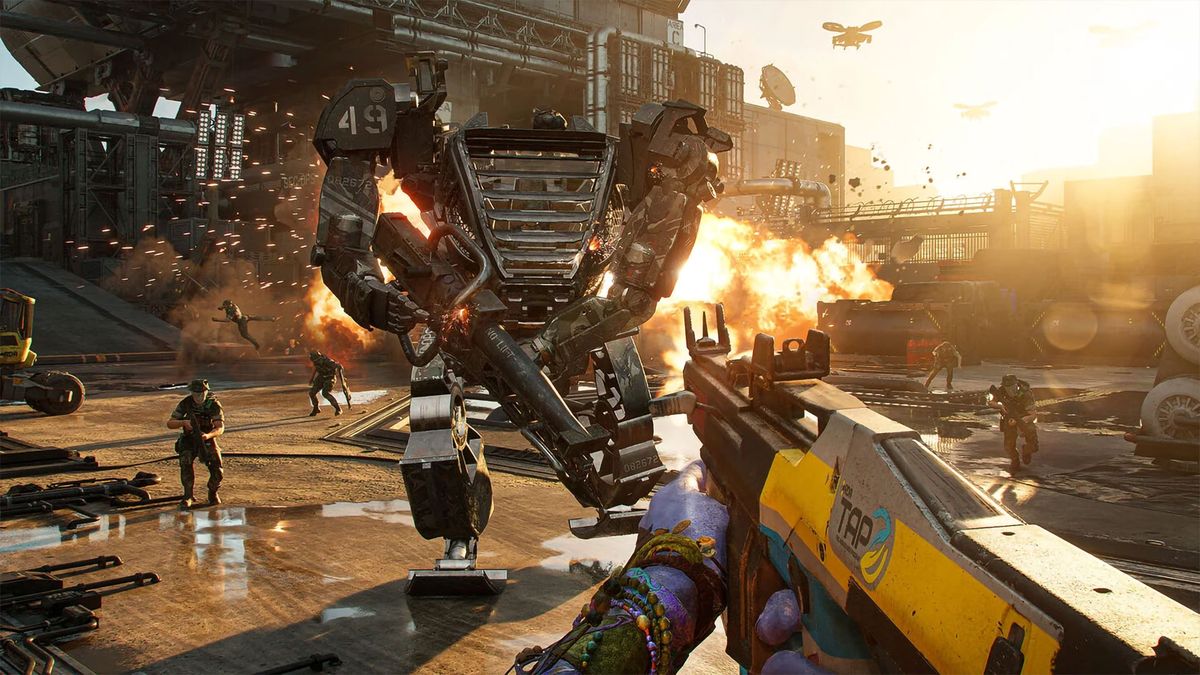
The ongoing industry crisis may finally teach that more graphics do not equal more sales.
Speaking to The New York Times, several game developers and some industry figures spoke out about how the gaming industry's AAA studios couldn't reasonably handle the stress of creating cutting-edge graphics— particularly in light of major waves of layoffs throughout the past two years, and several high-fidelity AAA games underperforming in the market. Even live service games, which are known to be cash cows when successful, are noted to be a mature market and thus a dangerous investment, particularly when end users tend to despise particularly greedy live service business models.
As former Square Enix executive Jacob Navok noted to The New York Times, "It's very clear that high-fidelity visuals are only moving the needle for a vocal class of gamers in their 40s and 50s. But what does my 7-year old son play? Minecraft. Roblox. Fortnite."
While this may be a somewhat reductive take, there's certainly truth to it when one considers just how much the most popular titles veer toward being playable on low-to-mid-range hardware rather than high-end PCs. For example, the broader genre of single-player action games has mostly diminished to Soulslikes and gacha games a la Genshin Impact. While Soulslikes usually look good, they aren't typically operating with an entire AAA budget and are often hard-capped to 60 FPS. Meanwhile, most gacha games are playable on mobile phones, with standard ports playable on low-end PCs or last-gen consoles.
For most players, it seems that even if you have high-end hardware, pushing it to its absolute limits isn't necessarily the priority. Relatively unambitious live service games aren't either, considering the brutal failures of Sony's Concord and Warner Bros. Discovery's Suicide Squad: Kill The Justice League, cited by the New York Times.
 www.tomshardware.com
Speaking to The New York Times, several game developers and some industry figures spoke out about how the gaming industry's AAA studios couldn't reasonably handle the stress of creating cutting-edge graphics— particularly in light of major waves of layoffs throughout the past two years, and several high-fidelity AAA games underperforming in the market. Even live service games, which are known to be cash cows when successful, are noted to be a mature market and thus a dangerous investment, particularly when end users tend to despise particularly greedy live service business models.
As former Square Enix executive Jacob Navok noted to The New York Times, "It's very clear that high-fidelity visuals are only moving the needle for a vocal class of gamers in their 40s and 50s. But what does my 7-year old son play? Minecraft. Roblox. Fortnite."
While this may be a somewhat reductive take, there's certainly truth to it when one considers just how much the most popular titles veer toward being playable on low-to-mid-range hardware rather than high-end PCs. For example, the broader genre of single-player action games has mostly diminished to Soulslikes and gacha games a la Genshin Impact. While Soulslikes usually look good, they aren't typically operating with an entire AAA budget and are often hard-capped to 60 FPS. Meanwhile, most gacha games are playable on mobile phones, with standard ports playable on low-end PCs or last-gen consoles.
For most players, it seems that even if you have high-end hardware, pushing it to its absolute limits isn't necessarily the priority. Relatively unambitious live service games aren't either, considering the brutal failures of Sony's Concord and Warner Bros. Discovery's Suicide Squad: Kill The Justice League, cited by the New York Times.
Insiders say cutting-edge graphics are too costly for AAA games
The ongoing industry crisis may finally teach that more graphics do not equal more sales.


