

- Reaction score
- 1,936
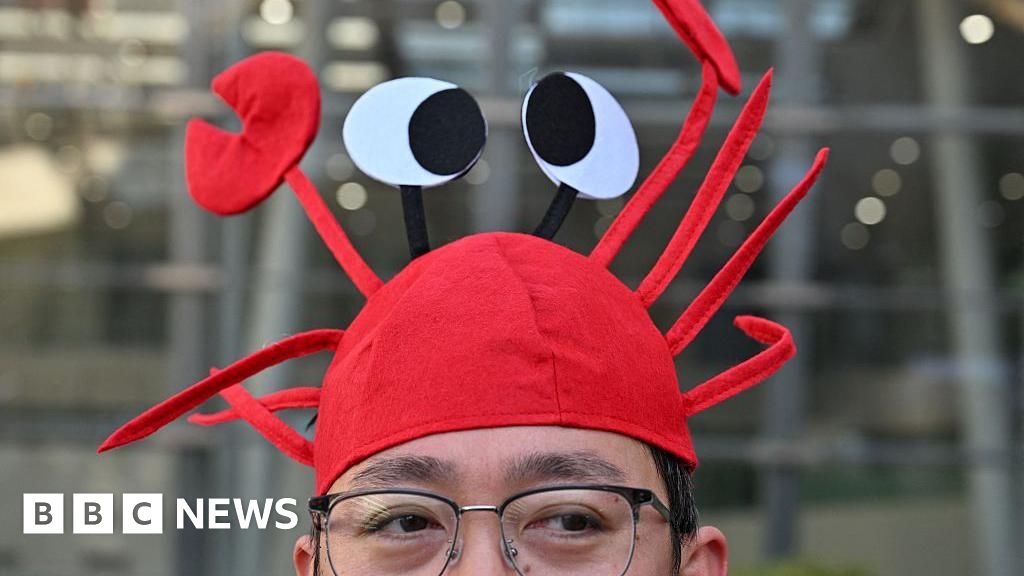
"Are you a lobster?" is the first question Wang had for the BBC.
He had been so consumed recently by the AI assistant OpenClaw - which in China has earned the name "lobster" - that he wondered if he was talking to AI, rather than a journalist.
After being assured he was not, the young IT engineer explained how he had "fallen deep into" AI and, especially, OpenClaw.
Driven by encouragement from the very top of China's leadership, the world's second-biggest economy has embraced artificial intelligence, sparking both curiosity and concern.
OpenClaw, built by Austrian developer Peter Steinberger, is an example of how this is playing out.
Because it is built on open-source data and tech, the code is available to those who want to customise it to work with Chinese AI models. And that is a huge advantage, because Western models such as ChatGPT and Claude are not accessible in China.
 www.bbc.com
He had been so consumed recently by the AI assistant OpenClaw - which in China has earned the name "lobster" - that he wondered if he was talking to AI, rather than a journalist.
After being assured he was not, the young IT engineer explained how he had "fallen deep into" AI and, especially, OpenClaw.
Driven by encouragement from the very top of China's leadership, the world's second-biggest economy has embraced artificial intelligence, sparking both curiosity and concern.
OpenClaw, built by Austrian developer Peter Steinberger, is an example of how this is playing out.
Because it is built on open-source data and tech, the code is available to those who want to customise it to work with Chinese AI models. And that is a huge advantage, because Western models such as ChatGPT and Claude are not accessible in China.
OpenClaw: What China's frenzy says about its AI ambition
The AI agent sparked a frenzy of "raising lobsters" in March, with users training the tool to suit their needs.
www.bbc.com


