

- Reaction score
- 1,936
For all humanity's success as a species at the top of its game, it's likely that we'll never finish evolving.
From passive selection pressures to those that are self-inflicted, the forces that shape our ongoing evolutionary journey are as fascinating as they are diverse.
Now, new research has revealed a previously unknown way in which people living high in the Andes may be continuing to evolve, and the catalyst is surprisingly humble.
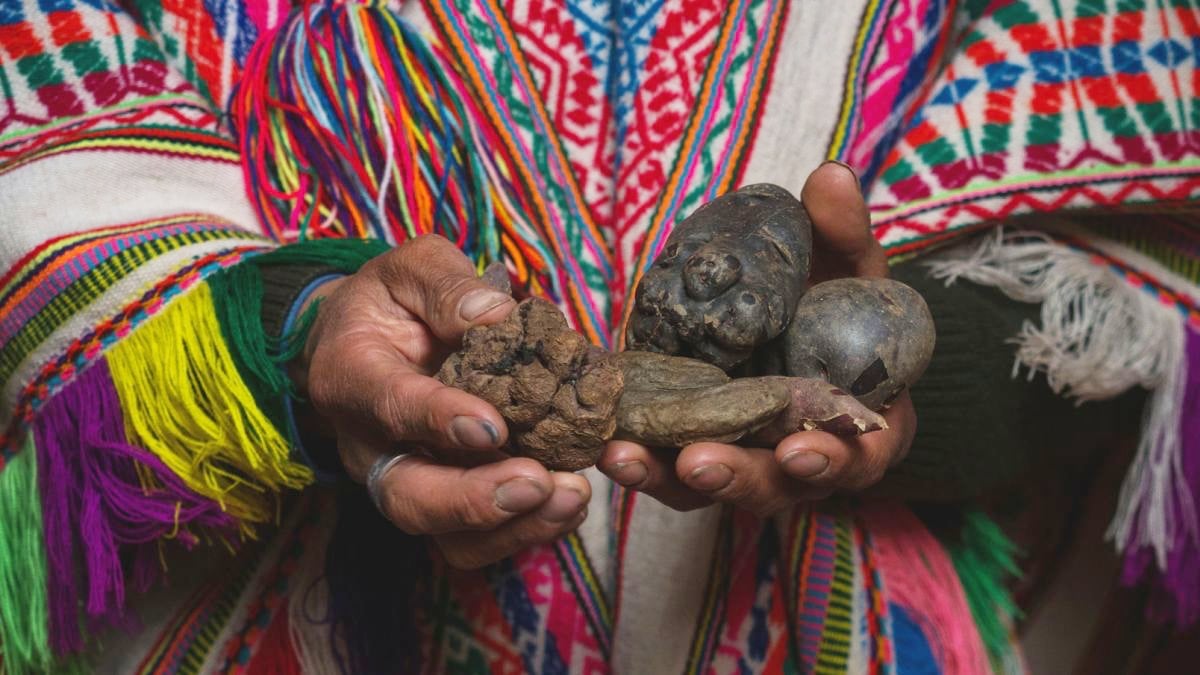
This population was among the first to domesticate the now-ubiquitous potato thousands of years ago – which could explain why their bodies show evidence of an enhanced ability to digest starch.
"The high-altitude Andes are known for being a rich region for understanding human evolutionary adaptation – for instance, hypoxia, in which tissues do not get enough oxygen," says anthropologist Abigail Bigham of the University of California, Los Angeles.
 www.sciencealert.com
From passive selection pressures to those that are self-inflicted, the forces that shape our ongoing evolutionary journey are as fascinating as they are diverse.
Now, new research has revealed a previously unknown way in which people living high in the Andes may be continuing to evolve, and the catalyst is surprisingly humble.
This population was among the first to domesticate the now-ubiquitous potato thousands of years ago – which could explain why their bodies show evidence of an enhanced ability to digest starch.
"The high-altitude Andes are known for being a rich region for understanding human evolutionary adaptation – for instance, hypoxia, in which tissues do not get enough oxygen," says anthropologist Abigail Bigham of the University of California, Los Angeles.
Humans in The Andes Have Evolved a Strange Digestive Superpower
For all humanity's success as a species at the top of its game, it's likely that we'll never finish evolving.
www.sciencealert.com


